

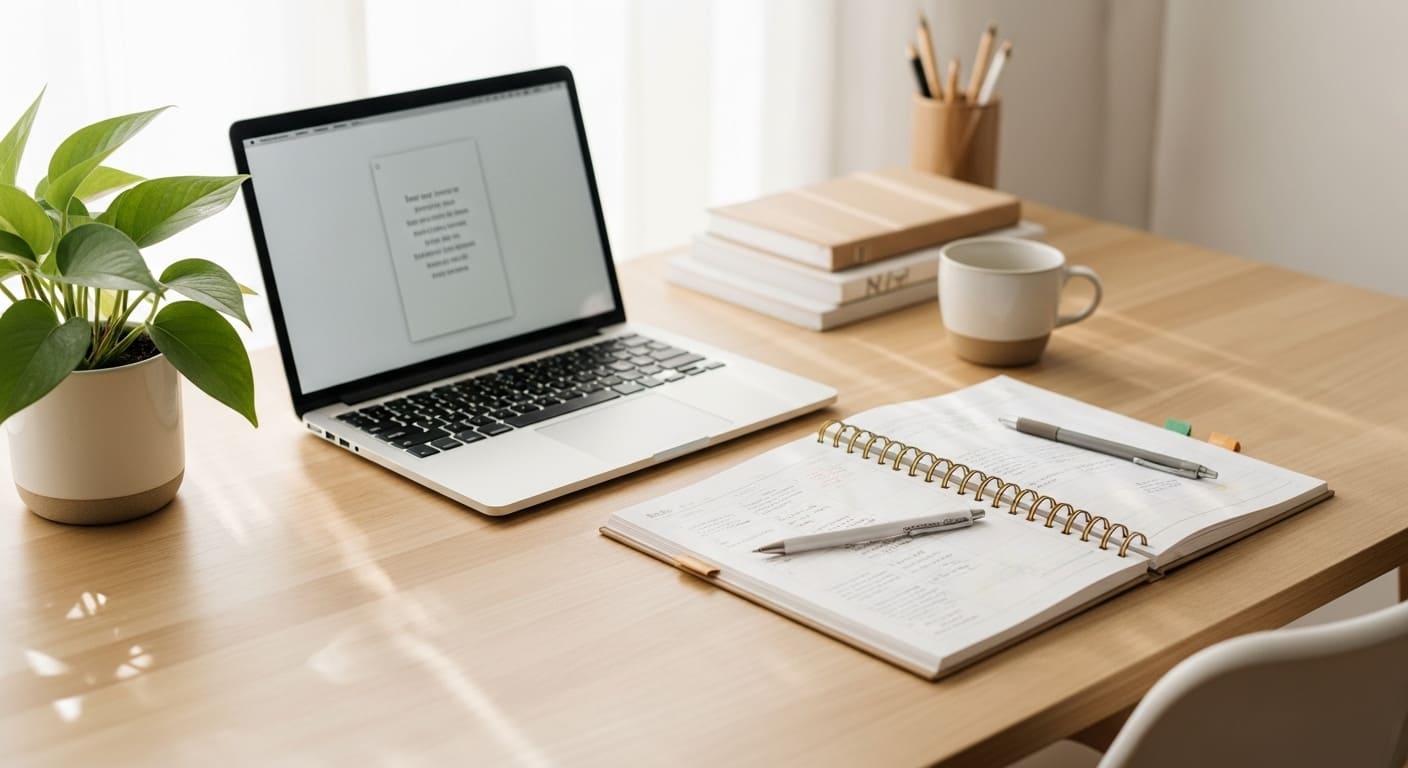
The productivity aesthetic isn’t about making your life look perfect on Instagram. It’s about making your space, tools, and routine better for getting things done. It helps you start, focus, and finish tasks more easily.
Working in style means getting rid of small things that slow you down. A clean desk, a simple system, and a few essential supplies can boost your productivity. You won’t feel overwhelmed by these changes.
You don’t need to change your whole life. Just create a daily routine that’s easier and less stressful. Use a planner for your tasks, block your time, and have tools to keep you focused.
In today’s fast world, it’s not just about getting things done. Real productivity also means taking care of yourself. This balance helps you stay creative over time, not just for a quick burst.
Social media, like Instagram, can be a great source of inspiration. You’ll learn to pick what works for you and ignore the rest. This way, you can build a system that works even on your busiest days.
Key Takeaways
- The productivity aesthetic is a how-to approach: make it easier to start, focus, and finish.
- Small upgrades can increase productivity by cutting friction and distractions.
- You can work in style without chasing perfection or copying social media.
- A daily planner, time blocking, and focus tools can keep you organized and calm.
- Sustainable productivity supports health and reduces burnout over time.
- A consistent setup can create a reliable creativity boost, even on busy weeks.
Why the Productivity Aesthetic Works for Real Life
The productivity aesthetic works when it helps you move, not when it adds pressure. By making a few simple choices, your space becomes steady. This lets your brain focus better, making it easier to start.
How a visually calming setup can reduce friction and help you start faster
Friction happens when your tools are scattered and you can’t find what you need. This makes you pause and lose focus. A calm setup helps you start quickly and stay focused.
Keep your “start kit” in one spot. This includes your laptop, charger, notebook, and a favorite pen. Add some workspace inspiration with clear labels and a clean surface. The goal is to be efficient, not to show off.
The “romanticize your life” mindset and why it can make daily work feel more doable
Romanticizing your life means making small moments pleasant. Enjoy your coffee, listen to a playlist, and use warm desk lighting. A planner page you like can make work feel easier.
When your environment is inviting, it boosts creativity without taking extra time. Think of small upgrades like a comfortable pen or a favorite mug. These signals help you start.
Balancing motivation with realism so you don’t burn out chasing perfection
Motivation is good, but realism keeps you grounded. Aim for a setup that supports you, even on busy days. Your system should fit your schedule, not fight it.
Multifunctional Co. talks about habits like mental health, mindfulness, proper nutrition, and physical activity. Your aesthetic should support these habits, like keeping a water bottle nearby. This way, it enhances your habits, not replaces them.
| Real-life need | Supportive choice | How it helps you keep going |
|---|---|---|
| Fast starts on low-energy days | Aesthetic planning with a fixed “start kit” and one clear task list | Fewer decisions, less friction, smoother momentum |
| Steady focus during deep work | Workspace inspiration that reduces clutter: one tray, one notebook, one timer | Less visual noise, easier attention control |
| Energy that lasts past noon | Simple routines that support mental health, mindfulness, proper nutrition, and physical activity | Lower stress, better recovery, more consistent output |
| Motivation without perfectionism | Productivity aesthetic rules you can repeat: reset in 5 minutes, not 50 | Less burnout risk, easier to maintain habits |
| Creative problem-solving | Small cues that boost creativity, like lighting you enjoy and a clean page | More willingness to explore ideas and finish tasks |
| Getting more done with less drag | One home for each tool to maximize efficiency | Less searching, faster transitions, fewer dropped tasks |
Don’t Forget to Recharge: “Productivity isn’t just about the hours you put in; it’s about the quality of your focus. To prevent burnout and keep your creative energy flowing, pair your setup with intentional pauses. Explore our guide on [Aesthetic Study Break Ideas] to learn how to recharge beautifully without losing your momentum.”
Productivity aesthetic
Your productivity setup should make work feel easy, not overwhelming. It’s about cutting down on visual clutter and making your next step clear. When you can see what’s important right away, you start faster and stay focused.
Defining the look: minimalist productivity, clean lines, and intentional tools
Minimalist productivity means keeping things simple. You want clear surfaces, clean lines, and a color scheme that doesn’t get old. Only keep what you use every day, and make sure each item has its own spot.
Minimalist design isn’t about being cold. It’s about removing distractions so you can focus better. This way, your brain can concentrate on the task at hand, not the stuff around it.
Choose tools that are worth the space they take up. A paper planner, a calendar for time blocking, and tools like Do Not Disturb are great for planning and staying on track.
Choosing a style that fits your personality and work needs (not just trends)
If you need to focus deeply, keep your workspace simple. Use fewer tabs, fewer items on your desk, and work in longer blocks. You can still have stylish tools, but pick ones that make things easier, like a single notebook for tasks and notes.
If you do creative work, keep things minimal but leave room for ideas. A small tray for notes, one favorite pen, and a simple inbox system can keep your space calm without stifling your creativity.
| Work style | What to prioritize | What to limit | Simple setup example |
|---|---|---|---|
| Deep focus | Long blocks, low distraction, clear next action | Visual clutter, app switching, notifications | Time blocking on Apple Calendar, one task list, phone on Do Not Disturb |
| Meeting-heavy days | Fast capture, quick follow-ups, clean schedule view | Piles of paper, scattered notes, duplicated to-dos | One notebook for notes + action items, a short end-of-day review |
| Creative projects | Idea capture, flexible planning, easy retrieval | Too many pens, random scraps, over-decorating | Minimal palette, one sketch/notebook, a small “ideas” section in your planner |
How to keep your aesthetic sustainable on a budget
You don’t need expensive items for a clean, functional space. The best solutions often involve buying fewer items and using them for longer.
Look for tools that serve more than one purpose, like work and wellness. A water bottle for all day and a lamp for calls and reading are great examples. These items do more than trendy extras.
When shopping, focus on durable items over constant upgrades. A few stylish tools you really use will keep your space consistent. This approach helps you spend less and maintain your minimalist design.
Design an Aesthetic Workspace That Helps You Focus
Your space can help you start faster and stay steady. An aesthetic workspace isn’t about buying more stuff. It’s about shaping a calm setup that makes focus feel easier.
Shop the Aesthetic: Building a workspace that actually works requires the right tools. I’ve curated a selection of the highest-rated desk essentials—from ergonomic supports to minimalist decor—all vetted by real customer reviews. [Explore my handpicked Productivity Essentials Collection] to find the pieces that will elevate your setup instantly.
Elevate Your Mindset: > A minimalist and organized workspace works best when you also feel the part. Just as you curate your desk tools, curating your office style can boost your ‘Boss Mode’ mindset. To complete your professional transformation, explore our top picks for [10+ Work Outfits That Look Expensive] that look luxe without breaking the bank.
Create the Ultimate Environment: “A productivity mindset needs a physical home. If you are ready to move from theory to practice, your desk layout is the perfect place to start. Whether you prefer a minimalist look or a cozy vibe, explore our detailed guide on [The Ultimate Aesthetic Study Setup for 2026] to find the furniture, lighting, and gear that will turn your workspace into a success-driven sanctuary.”
When you aim for a stylish workspace with fewer friction points, you spend less time adjusting and more time working. That’s how your environment can quietly support maximize efficiency.
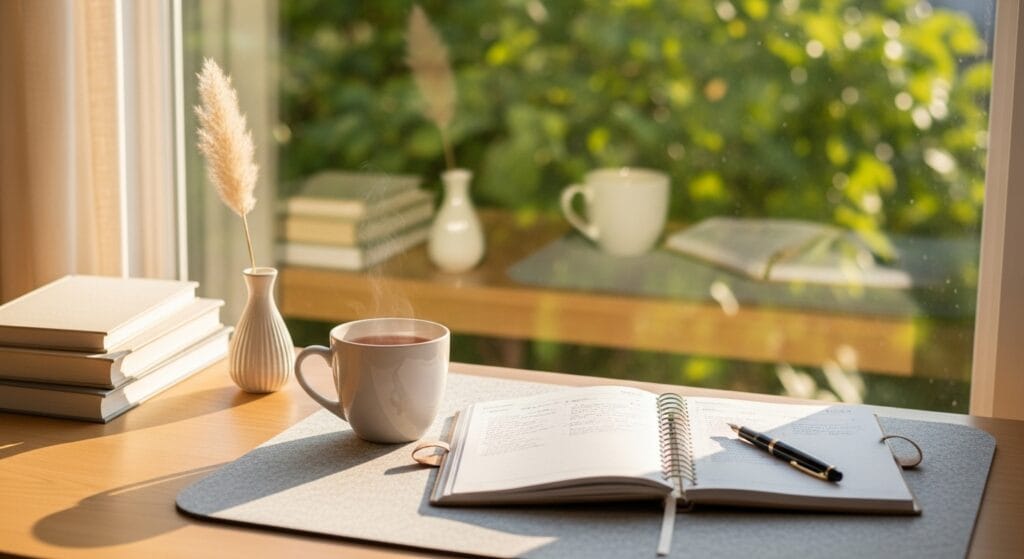
Workspace inspiration basics: lighting, layout, and distraction control
Start with lighting that’s comfortable on your eyes. Soft, even light reduces strain, which makes it simpler to sit down and begin. If you can, pair a warm desk lamp with steady overhead light so shadows don’t fight your focus.
Next, set a clear “focus zone” on your desk. Put your keyboard, mouse, and notebook where your hands naturally land. This kind of workspace inspiration cuts reach-and-search time, so small tasks don’t feel like chores.
Distraction control is physical and digital. Keep your phone out of arm’s reach, and close extra browser tabs before you start. Fewer switches means fewer mental resets, and your attention stays where it belongs.
Minimalist design choices that support maximize efficiency
Minimalist design works best when every item earns its spot. Keep only your daily tools visible, and store the rest in a drawer or bin. A clearer surface helps you spot what matters in one glance.
Try a simple reset you can finish in two minutes. Stack papers, return pens to one cup, and clear space for your main task. This small routine supports maximize efficiency because setup time stays short.
| Design choice | What you keep visible | What you store away | How it helps focus |
|---|---|---|---|
| Clear desktop rule | Laptop, input devices, one notepad | Mail, old notes, spare cables | Less visual noise and quicker starts |
| One “home” for essentials | Pen cup, charger, water bottle | Extras and duplicates | Less hunting and fewer interruptions |
| Single-task layout | Only the tools for your current block | Side projects and reference piles | Fewer cues to multitask |
| Digital tidy pass | One browser window, needed tabs | Unused apps and background windows | Less context switching and cleaner thinking |
Stylish workspace upgrades that also improve comfort and posture
A stylish workspace should feel good to use for hours. Start with your chair and monitor height. Your feet should rest flat, and the top of your screen should sit near eye level to reduce neck strain.
Add comfort upgrades that look clean and support your body, like a slim lumbar pillow or a footrest. If you like Multifunctional Co.’s wellness approach, take the same idea here: lower stress and better support often lead to steadier output.
Choose a few finishes that make you want to return to your desk, like a matte desk pad or a matching cable sleeve. These touches keep the aesthetic workspace inviting, without breaking the calm of minimalist design.
Organization Ideas for Efficient Organization and Less Mental Clutter
Clutter takes up your attention in small ways. The best ideas keep your essentials in one spot. This way, you can focus without interruptions.
For efficient organization, create simple desk zones. One for work, one for storage, and one for resetting. Keep your desk mostly clear and avoid “maybe” items.
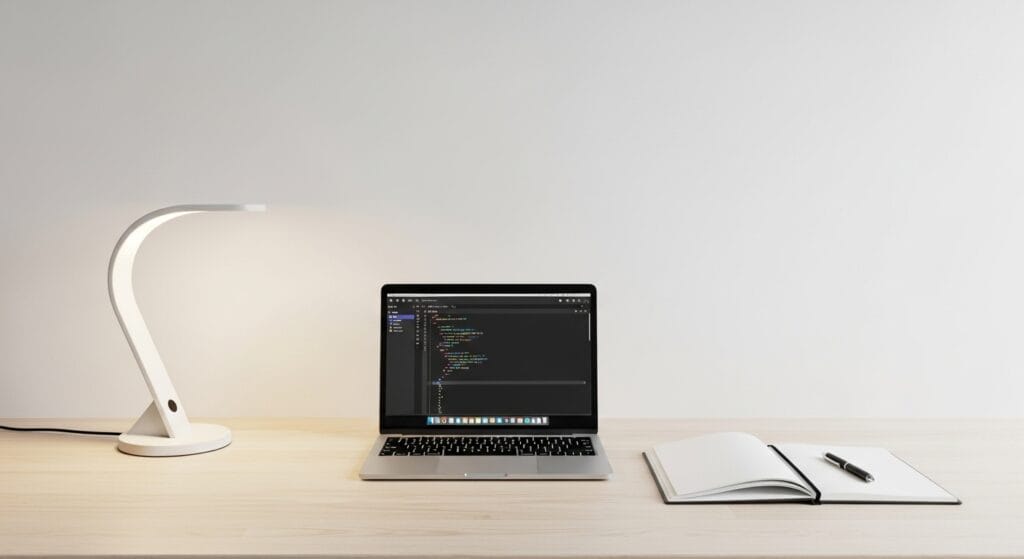
A calm setup helps with organization. Keep your notes and to-dos in one place. Use a daily planner as your main source of truth.
This approach makes tasks easier. You have fewer places to check and less to think about. Multifunctional Co. shows how a steady environment helps manage stress.
| Area | Default “Home” | 1-Minute Reset | How It Helps Streamline Tasks |
|---|---|---|---|
| Desk surface | Laptop, one notebook, one pen | Clear cups, mail, and extra papers into a tray | Reduces visual noise so you can pick the next action quickly |
| Paper intake | One inbox tray | Sort into “To do,” “To file,” or “To shred” | Stops piles from spreading and keeps priorities visible |
| Daily planning | One daily planner page | Rewrite top 3 tasks and time block them | Keeps plans and commitments in one place, lowering missed details |
| Cables and small tech | Small labeled pouch or drawer box | Return chargers, earbuds, and adapters after use | Prevents last-minute scrambling before calls or errands |
If you like Instagram-style organizing, pick what works for you. Choose containers and labels that are easy to use. Also, have a daily or weekly reset routine.
When your space is organized and your plan is clear, you stay calm. You spend less time managing things and more time doing what matters.
Effective Time Management With Time Blocking and a Daily Planner
You can keep a clean, calm work vibe and still get real results. Effective time management starts when your plan matches your life, not an ideal schedule.
With the right tools, you can plan your day, focus on what matters, and finish tasks without feeling overwhelmed. Time blocking and a daily planner are key to your routine.
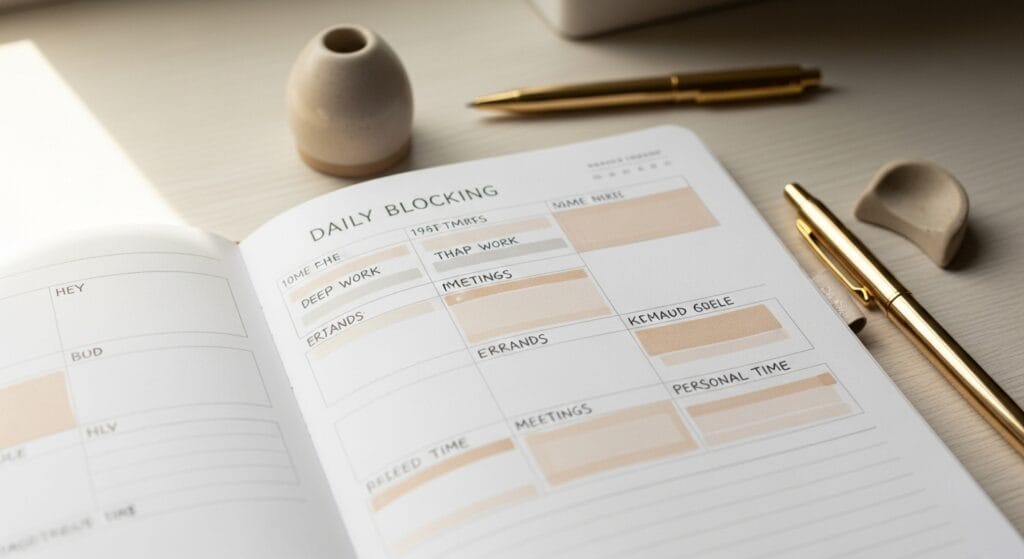
Using time management strategies to plan your day around your real energy
Your energy isn’t flat from morning to night, so your plan shouldn’t be either. A smart set of time management strategies helps you place hard work in your best hours and save lighter tasks for slower parts of the day.
Try a simple rhythm: deep focus early, meetings mid-day, admin late afternoon. If you’re wiped after lunch, schedule quick wins there instead of high-stakes work.
| Energy window | How you feel | What to schedule | Why it works |
|---|---|---|---|
| Peak (your best 90–120 minutes) | Sharp, fast, confident | Writing, analysis, strategy, complex problem-solving | You make fewer mistakes and finish faster |
| Steady (2–3 hours) | Focused but social | Calls, collaboration, reviews, planning | You stay responsive without losing momentum |
| Low (end of day or post-lunch) | Slower, easily distracted | Email, files, errands, small edits, prep for tomorrow | You protect your best hours for real progress |
Time blocking to optimize workflow and reduce decision fatigue
Time blocking means you assign a job to a specific block on your calendar. You don’t keep asking, “What should I do next?” You just follow the plan and optimize workflow with fewer interruptions.
Keep your blocks realistic: add short buffers, group similar tasks, and protect one focus block like it’s a meeting. In a fast-paced world, that kind of structure can feel like a wellness tool, not a grind.
- Set 1–2 focus blocks for your most important work
- Batch messages into one or two short blocks
- Leave a buffer block for spillover and surprises
How a daily planner helps you stay on track without feeling overwhelmed
A daily planner keeps your tasks, time blocks, and priorities visible in one place. The goal is clarity, not packing your day until there’s no air left.
Write your top three outcomes, then match them to your schedule. When your list and calendar agree, you move through the day with less stress and more control—exactly what Multifunctional Co. stands for: balance that supports consistent routines.
Productivity Tools That Reduce App Switching and Streamline Tasks
When your day is filled with ten different tabs, it’s hard to focus. The right tools bring your work together in one place. This way, you can focus better and keep moving forward.
If you want your tools to look good and work well, stylish options are out there. They have clean designs and simple layouts. This makes organizing easier without adding extra steps.
What to look for in one tool to manage tasks, time, and focus
Look for a tool that does the basics well before adding extra features. It should let you quickly capture ideas, sort them, and plan your week easily.
- Task capture: one place to dump ideas the moment they show up.
- Prioritization: flags, labels, or simple tiers like High/Medium/Low.
- Scheduling: time blocking that turns a list into a real plan.
- Focus support: notification controls and a distraction-free mode.
Good tools should support your routine, not control it. The best tips are almost invisible because they help you manage time and tasks well.
Building a simple system for tasks, priorities, and deadlines
Keep your workflow simple so you’ll use it even on busy days. A simple system helps you stay organized without making planning a big task.
- Capture tasks as they come in.
- Sort by priority and delete or defer what doesn’t matter.
- Add deadlines only when they’re real.
- Place top items into time blocks.
- Do a quick daily review to reset your list.
| Need | What to set up | How it helps you | Quick check |
|---|---|---|---|
| Capture | One inbox for all new tasks | Stops sticky notes and repeat reminders | Can you add a task in under 5 seconds? |
| Priorities | Three priority levels and one “Today” view | Keeps urgent work from hiding in long lists | Do your top 3 stand out at a glance? |
| Deadlines | Due dates with gentle reminders | Protects projects from last-minute rush | Are reminders timed to your work hours? |
| Time blocking | Calendar view linked to tasks | Turns intent into a realistic daily plan | Do blocks match your energy peaks? |
| Follow-through | Daily review and weekly reset | Prevents pileups and reduces mental clutter | Is the review under 10 minutes? |
Focus tools that support deep work and minimize distractions
Deep work is easier with tools that match your workspace rules. Fewer distractions mean you can focus better. Use tools to create a quiet space, then choose when to be reachable.
- Turn off nonessential notifications and batch check-ins.
- Use a focus timer for one clear task per block.
- Create a dedicated deep-work block that stays meeting-free.
- Keep one dashboard open and close everything else.
Stylish tools can also help by reducing visual clutter. The goal is to streamline tasks, protect your attention, and keep your tools working for your life.
Efficient Habits That Protect Your Work-Life Balance
Multifunctional Co. believes in a balanced life for your best work. It combines wellness, self-care, and focus for a fulfilling life. With a structured day, you can work hard without losing your evenings.
Begin with habits that reduce stress and clear your mind. A two-minute breathing exercise before work can focus your mind. Asking yourself, “What matters today?” keeps your tasks in check.
Mindfulness is most effective when it’s simple and consistent. Try quick calm cues like slow breathing, body scans, or journaling. These tips help you switch tasks quickly, keeping your balance when things get busy.
Food is a tool, not a reward. Eat meals with protein, fiber, and water for steady energy. This way, you make fewer impulsive decisions and work more efficiently.
Movement is a powerful reset. A quick walk, strength exercises, or stretching can reduce stress and boost mood. Taking a break from screens can also spark creativity.
Your mental health is crucial, especially with busy schedules. Set clear boundaries like a shutdown alarm or no-email time. These habits prevent work from intruding on your rest, maintaining balance all week.
Technology can support your routines without dominating them. Use apps to track sleep and steps, and schedule meals and workouts like appointments. The goal is to plan, then let you rest.
Community support keeps you going when motivation wanes. Multifunctional Co. offers ideas and accountability. Choose habits that fit your life and watch your productivity grow.
| Habit area | Quick practice you can do today | How it helps your work-life balance | Intentional tech support (optional) |
|---|---|---|---|
| Mindfulness | 2 minutes of slow breathing before your first task | Reduces stress so you end work with fewer loose ends | Use a timer on your phone; stop when it ends |
| Proper nutrition | Plan one high-protein lunch for the week | Stabilizes energy so you don’t “borrow” time at night to catch up | Grocery list app for repeat items; no scrolling needed |
| Physical activity | 10-minute walk between blocks of work | Creates a clean break that makes evenings feel like evenings | Step tracker to nudge you once, then silence notifications |
| Prioritizing mental health | Set a daily shutdown ritual: review, pick tomorrow’s first task, close tabs | Stops task rumination and protects sleep | Calendar reminder for shutdown; Do Not Disturb after |
| Community support | Share one weekly goal and one small win | Keeps you consistent without chasing perfection | Use Multifunctional Co. prompts to reflect, then log off |
Building your days around health leads to better work. You’ll see a creativity boost, increased productivity, and a balanced life. Keep the habits that work for you and let go of the rest.
Conclusion
Your productivity aesthetic should help you start quickly and stay focused. A calm workspace reduces distractions, letting you work more efficiently. When your space is organized, you can concentrate better and ignore distractions.
Make your system simple and easy to follow. Organizing your tasks and files helps clear your mind. Use time blocking and a planner to manage your time well and avoid stress.
Choosing the right tools is important too. They should help you work without switching apps. But remember, your workspace doesn’t need to be perfect. It should support your productivity and calmness, even when it’s messy.
“ Ready to Start? Transitioning to a productivity aesthetic is easier when you have the right foundation. Skip the guesswork and browse my [Customer-Favorite Product Selection] to start building a space that supports your best work.”
Multifunctional Co. says productivity is linked to well-being. Take care of your energy with mindfulness, healthy food, exercise, and mental health support. Start with one change today, like your workspace or a new habit. Then, keep adding until it feels like second nature.
FAQ
What does “productivity aesthetic” mean in a practical, everyday way?
It’s about creating a workspace that looks good and helps you work better. A clean desk, soft lighting, and tools in the right place make your day smoother. It’s not just about looks; it’s about making work easier.
Do you need to redesign your whole life to make the productivity aesthetic work?
No, you just need to make small changes to your daily routine. Focus on a simple routine: plan, focus, finish. This way, you boost your productivity without making your workspace a big project.
Why does an aesthetic workspace help you start faster?
A cluttered space slows you down. When your tools are scattered, you waste time deciding where to start. A tidy workspace lets you begin quickly and stay focused.
What does “romanticizing your life” have to do with productivity?
It makes the hard moments easier. Enjoying your coffee, music, and a nice desk can help on tough days. It’s not about pretending everything is perfect; it’s about making work feel manageable.
How do you avoid burnout when you’re building a productivity aesthetic?
Aim for something that supports you, not perfection. Use Instagram for inspiration, but make sure your system fits your life. Choose habits you can keep, even on your worst days.
What does minimalist productivity look like in real life?
It means a clean and simple workspace. Use only what you need, with a focus on function over form. This helps you stay focused and efficient.
How do you choose a productivity aesthetic that fits your work style, not trends?
Start with how you work best. If you need deep focus, choose a setup that reduces distractions. For creatives, keep it simple but leave room for ideas.
Can you build a stylish workspace on a budget?
Yes. Buy fewer, multipurpose items and avoid constant upgrades. Focus on essentials like a good lamp and a planner that you’ll use. This approach is sustainable and stylish.
What lighting works best for an aesthetic workspace that’s also functional?
Choose lighting that’s comfortable and inviting. A desk lamp and decent overhead light are usually enough. Comfortable lighting makes it easier to start your work.
How should you set up your desk layout to optimize workflow?
Keep your most-used tools within easy reach. Store the rest out of sight. This reduces time spent searching and supports efficient workflow.
How do you control distractions in both your physical and digital workspace?
Design for fewer distractions. Keep only what you need on your desk and limit digital tabs. This helps you stay focused and avoid switching between apps.
What are the best organization ideas for less mental clutter?
Use simple categories and give essentials a “home.” Create zones and reduce piles. A daily reset helps keep your space organized and your mind clear.
What does “one tool” organization really mean?
It means using one system for all your tasks and plans. This reduces forgetting and saves time. It’s a simple way to stay organized without adding complexity.
How do time management strategies fit into the productivity aesthetic?
The aesthetic works best when it supports action. Pair your setup with effective time management. This helps you plan, focus, and finish tasks without feeling overwhelmed.
How do you plan your day around your real energy?
Match the work to your energy levels. Do demanding tasks when you’re most alert and save lighter tasks for when you’re less energetic. This approach makes your plan feel realistic.
What is time blocking, and why does it reduce decision fatigue?
Time blocking assigns work to specific times on your calendar. It reduces the need to constantly decide what to do next. This method helps you stay focused and avoid mental strain.
How does a daily planner help you stay on track without over-scheduling?
A daily planner keeps your priorities clear. It guides your day without feeling too rigid. This structure supports your productivity without overwhelming you.
What should you look for in productivity tools that reduce app switching?
Look for tools that handle basic tasks like task capture, prioritization, and scheduling. When one system does it all, you reduce digital clutter and stay focused.
What’s a simple workflow for tasks, priorities, and deadlines?
Keep it simple: capture tasks, sort them, add deadlines, and schedule key work. A quick daily review helps you stay on track. This approach supports efficient task management without feeling overwhelmed.
What focus tools help with deep work in a minimalist setup?
Use a timer, control notifications, and dedicate time for deep work. A clear desk and a start ritual also help. These tools support deep focus in a simple setup.
How does work-life balance connect to productivity aesthetic and Multifunctional-style living?
Productivity isn’t just about output; it’s about sustainability. A balanced life supports well-being and performance. Your setup should promote mental health and mindfulness, making your routine feel sustainable.
Can technology support wellness habits without taking over your day?
Yes, if used intentionally. Track what helps you, set reminders, and protect your evenings. The best system supports your life and routines without consuming them.
What’s one upgrade you can make today that delivers the biggest impact?
Choose one: clear your focus zone, set up a daily planner, create time blocks, or improve lighting. Small upgrades can make a big difference in your productivity and style.
3 thoughts on “Boost Your Productivity: TiThe Productivity Aesthetic: How to Work Smarter, Stay Focuseps and Tricks.”