

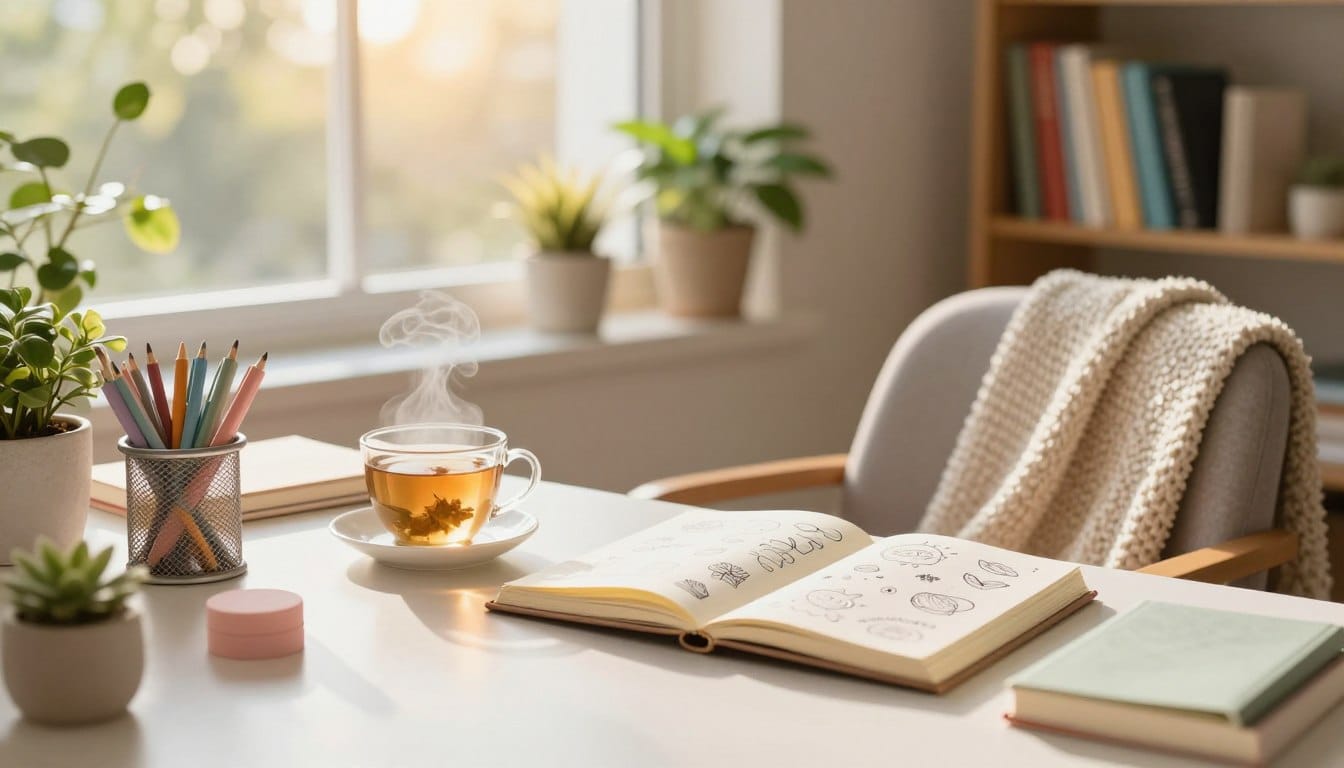
Could a few intentional, beautiful pauses change how you reach your study goals aesthetic?
This short guide shows you how to add simple, visually pleasing breaks to your study routine. You can recharge without losing momentum. You’ll find practical, picture-worthy ideas that support an aesthetic study environment and boost study motivation techniques.
By “study goals aesthetic” we mean the deliberate visual and sensory choices—color, decor, tools, and rituals—that help you set and track goals while staying inspired. This is aimed at students and lifelong learners in the United States who want friendly, actionable tips delivered in clear, second-person language.
Benefits are immediate: better focus, less burnout, clearer goal-tracking, and a more enjoyable study experience. The next sections cover the science behind breaks, how to design your space, short micro-breaks, creative resets, outdoor and digital-detox ideas, self-care pauses, social rituals, tools and resources, and a final checklist with steps you can use today.
Key Takeaways
- Intentional, beautiful breaks support focus and reduce burnout.
- Study goals aesthetic combines color, decor, and rituals to guide motivation.
- A cohesive aesthetic study environment makes goal-tracking clearer and more pleasant.
- Short, scheduled pauses are a practical study motivation technique.
- This guide offers science-backed and aesthetic-driven ideas you can use now.
Why aesthetic study breaks boost focus and motivation
Short, intentional breaks with a touch of beauty do more than look good. They act as mental resets, helping your focus come back. By planning these pauses, you turn downtime into a tool for better study motivation and focus.

Timing these breaks is key. Studies on the Pomodoro Technique show that 5–15 minute breaks after focused work reduce mental fatigue and refresh your attention. Try 25–50 minute study blocks followed by a 5–10 minute break to keep your focus sharp.
Visual and sensory resets are why aesthetic breaks work. Brief exposure to new sights gives your brain a cue to recover. Attentional Restoration Theory by Rachel and Stephen Kaplan shows that changing your view or adding natural cues can restore focus.
Colors, textures, and small touches of nature can change your mood and lower stress. Environmental psychology studies link natural elements and pleasing colors to lower cortisol and better mood. Choose a break activity with sensory elements, like a textured notebook or a plant-view pause.
Linking breaks to your study goals makes them productive. Use each break to glance at your plan, check off a task, or set the next goal. This ties your breaks to your goals, preventing distractions.
Complete the System: “Your breaks are only as good as the workspace you return to. A cohesive environment reduces the friction of starting again after a pause. If you want to design a desk that supports your goals, check out our deep dive into the [Productivity Aesthetic] for tips on minimalist design and efficient organization.”
Think of breaks as rewards. A pretty tea cup, a quick sketch, or a tidy checklist can boost your drive. Behavioral economics and habit-formation research show that immediate, visual rewards increase your likelihood of repeating effective study behaviors.
Practical takeaway: view breaks as tools to achieve study goal success. By combining timing, sensory resets, and quick goal checks, you create a loop that boosts focus and keeps motivation high.
| Element | Practical Action | Benefit |
|---|---|---|
| Timing | 25–50 minute study intervals with 5–10 minute breaks | Reduced fatigue and sustained concentration |
| Visual reset | Look at a plant, a color swatch, or a curated image | Restores attention and improves mood |
| Micro-goal check | Mark a checkbox or set the next 15-minute task | Keeps progress aligned with setting study goals |
| Reward cue | Use a pleasing object or ritual as a mini-reward | Boosts intrinsic motivation and habit formation |
| Frequency | Repeat short breaks throughout study blocks | Supports long-term study goal success |
Designing your study goals aesthetic for better productivity
A clear study goals aesthetic helps you focus without fuss. Start with a simple plan that ties color, plants, and layout to what you need to learn. When your space feels intentional, you spend less energy on setup and more on study time.

The Foundation of Focus: “Your study breaks are most effective when you return to a space that inspires you. A cluttered desk leads to a cluttered mind, making it harder to restart. To build a sanctuary that supports your aesthetic and your grades, check out our master guide to [The Ultimate Aesthetic Study Setup for 2026].”
Choosing a cohesive color palette and decor
Pick two to three coordinating colors. Soft neutrals with a calming blue or a warm terracotta accent work well. Blues boost concentration, greens lower stress, and warm accents add energy for active tasks.
Match key items like notebooks, a desk mat, and pen holders so the visual field stays calm. This small consistency creates a harmonious aesthetic study environment that supports focus.
Using plants, lighting, and textures to enhance mood
Add low-maintenance plants such as pothos, snake plant, or ZZ plant. These options improve air quality and lower stress, making your space feel alive and steady.
Prioritize natural light when possible. For evening work, use a warm LED desk lamp with adjustable brightness and color temperature to cut eye strain and keep a cozy tone.
Layer textures like a soft throw, a plush cushion, and natural wood or ceramic accessories. Tactile comfort helps you sit longer and stay present during study sessions.
Setting up a visual study area that supports setting study goals
Keep a clear focal work surface and a dedicated spot for your study goal planner. Add a pinboard or wall calendar to mark deadlines and milestones so targets stay visible.
Use visual study aids such as color-coded flashcards and pinned mind maps to externalize tasks and track progress. These cues make planning tangible and reduce mental clutter.
Balance form with function. Choose a comfortable chair, set monitor height correctly, and hide cables to preserve the look while preventing strain.
Mini checklist to design or refresh your aesthetic study environment:
- Choose 2–3 coordinating colors and apply them to major items.
- Add one low-maintenance plant and position it for natural light.
- Use an adjustable warm LED desk lamp for evening sessions.
- Place a planner and a pinboard within arm’s reach of your desk.
- Create visual study aids: color-coded cards and a pinned mind map.
- Test chair comfort and monitor height; tidy cables for a clean look.
| Element | Practical Tip | Benefit |
|---|---|---|
| Color Palette | Two neutrals + one accent (blue or terracotta) | Reduces visual noise; supports mood and focus |
| Plants | Pothos, snake plant, ZZ plant near desk | Improves air quality; lowers stress |
| Lighting | Maximize daylight; warm LED desk lamp with dimmer | Reduces eye strain; creates a cozy study window |
| Textures | Throw, cushion, wood or ceramic desk tray | Provides tactile comfort; encourages longer sessions |
| Visual Study Aids | Color-coded flashcards, pinned mind maps | Externalizes goals; tracks progress at a glance |
| Ergonomics | Supportive chair, monitor at eye level, cable management | Prevents strain while keeping the aesthetic clean |
Quick aesthetic micro-breaks you can do between study sets
Short pauses keep your brain fresh and help you stick to study goals aesthetic that feel pleasing and personal. Use tiny, intentional rituals to reset attention and lift mood without losing momentum.
Breathwork and short, guided stretches with a calming aesthetic
Try 1–3 minute breathing cycles such as 4-4-4 box breathing or 4-6-8 breaths while you sit tall. These patterns slow your heart rate and clear mental clutter.
Pair breathwork with gentle neck rolls and shoulder shrugs. Tilt your head toward each shoulder and hold for five breaths, then interlace fingers behind your head and lift chin slightly for a brief chest opener.
Set mood cues like a dim lamp, a lavender diffuser, or a small timer that chimes softly. The physical release reduces tension and restores blood flow to the brain so you return to tasks calmer and sharper.
Mindful tea or water rituals with pretty mugs and trays
Make a five-minute ritual: pour chamomile, green tea, or peppermint into a favorite mug, or prepare infused water in a clear glass. Place it on a small tray and take slow sips while you notice taste, temperature, and aroma.
Watch caffeine content when choosing tea; green tea gives mild lift, chamomile is soothing, peppermint eases focus without jitters. Use the pause to glance at your planner and mark a quick progress tick.
Keeping this routine visually pleasing reinforces your study goals aesthetic and turns short breaks into a peaceful checkpoint for motivation.
Mini digital gallery scrolls: using visual study aids to refresh
Limit gallery scrolls to 60–90 seconds. Open a pre-saved folder of flashcard images, concept diagrams, or a Pinterest board that links directly to your study topics. Avoid feeds that pull you into unrelated content.
Choose images that clarify a concept or boost morale: a neat mind map, a motivational quote card, or a labeled diagram. These visual study aids reconnect you to what matters and refresh memory networks.
Tie each mini scroll to your study motivation techniques by picking visuals that map to the session’s goal. Set a timer so the reset stays short and purposeful.
| Micro-break | Time | Aesthetic cue | Primary benefit |
|---|---|---|---|
| Box breathing + neck stretches | 1–3 minutes | Dim lamp, lavender scent | Reduces tension; restores focus |
| Mindful tea or infused water | 3–5 minutes | Pretty mug on a tray | Calms nerves; marks progress |
| Mini digital gallery scroll | 60–90 seconds | Pre-saved flashcards or boards | Visual refresh; reinforces learning |
Creative breaks that align with achieving study goals
Take short creative breaks that boost focus and aid in tracking study goals. These mini rituals can be as short as 5–20 minutes. They help you return to work with a clear mind and priorities.
Mini journaling prompts to track progress and set next steps
Use a small, pretty notebook or a study goal planner for quick reflection. Ask yourself: “What did I accomplish this session?” and “What’s one specific next step?”
Write one line about what’s blocking you and one line about your next micro-action. This keeps setting study goals practical and supports achieving study goals over time.
Sketching study concepts or mind maps as a visual study aid
Pull out a dotted notebook, fineliners, and highlighters. Sketch diagrams, timelines, or mind maps for five to ten minutes. This turns dense material into simple visuals.
Using color and spatial layout engages different memory pathways. This method pairs well with study goal tracking because you create visible checkpoints and quick reminders of what to review next.
Curating a short playlist to match your study goal motivation
Build 15–30 minute playlists that cue focus or motivation. Try Spotify focus mixes, Apple Music chill study selections, or short YouTube concentration mixes that fit the task type.
Create different playlists for heavy reading versus active problem-solving. When you play the right soundtrack, it signals your brain about the kind of work ahead and helps with achieving study goals.
| Creative Break | Duration | Supplies or Tools | How it helps study goal tracking |
|---|---|---|---|
| Mini journaling prompts | 5–10 minutes | Aesthetic notebook, pen, study goal planner | Creates concise records of progress and next steps for future sessions |
| Sketching mind maps | 5–15 minutes | Dotted notebook, fineliners, highlighters, sticky notes | Transforms concepts into visual anchors that reinforce memory and goals |
| Short playlists | 15–30 minutes | Spotify, Apple Music, YouTube, headphones | Uses sound cues to signal work type and support consistent progress toward achieving study goals |
Outdoor aesthetic breaks to recharge your brain
Take a break outside to refresh your mind. Fresh air and natural light boost your mood and energy. Choose a simple activity for 10–20 minutes to keep your study momentum.
Short nature walks
Walking in a park or campus green can improve your focus and creativity. Studies show that short green breaks reduce mental fatigue and lift your mood. Wear something comfy, carry a water bottle, and pick a scenic path with trees or flowers.
Keep your walk short, around 10–20 minutes. It’s enough to refresh your mind and fit into your study schedule. Use the walk as a mini ritual to boost your study motivation.
Photography walks
Grab your phone or a small camera to capture textures, colors, and details. Try to find five green things to focus your attention and improve your observation skills.
Photography helps you notice patterns and contrast, which are great for learning. Organize your photos into a study inspiration album or mood board. Look at it before studying to get your creative juices flowing.
Portable picnic or bench rituals
Prepare a small, attractive snack or tea in a bento box or glass bottle. Sit on a bench or blanket for a calm break. Arrange your snack on a wooden board for a pleasing presentation.
Combine fresh air with a tidy ritual for a refreshing break. Use this time to breathe, sip, and reflect on your study goals. This habit links relaxation with your study motivation, helping you return refreshed and focused.
Digital detox breaks with an aesthetic twist
Take a break from screens and give your mind a quiet reset. Short analog activities help clear digital clutter, making you calmer and clearer. Use these ideas to create a calming ritual that supports your study goals and boosts focus.
Analog creative bursts (10–30 minutes)
Create a mini collage related to your studies. Use vintage magazines, textured paper, and glue stick and washi tape. Write a postcard that summarizes a concept simply. Make a scrapbook page that records your weekly progress. These tasks are easy and visually pleasing.
Supplies to keep handy
Keep scissors, glue stick, textured paper, vintage magazines, washi tape, and decorative stickers ready. Choose colors and textures that match your study area. A neat supply box makes starting a 10-minute session easy.
Why tactile creativity helps
Working with your hands engages different brain networks than screens. Collaging and letter-writing lower cognitive load and refresh your attention. This reset helps you focus better when you return to studying.
Use a physical study goal planner
Choose a planner you enjoy using. Favorites include Moleskine, Leuchtturm1917, and The Happy Planner. Try different layouts until you find what works for you. Checking off tasks and adding stickers strengthens your commitment to study goals.
Planner layout ideas
Create a “wins” section to celebrate your progress. Add a priority tasks area to stay focused. Include a habit tracker for consistent breaks. Use pages for visual study aids like sketches or index cards.
Design an “aesthetic hour” without screens
Set aside an hour weekly for a calming ritual. Remove devices, prepare a warm drink, and light a candle. Complete two tactile tasks that support your study goals. Tidy your desk, sort flashcards, or arrange a mini reference board.
Step-by-step ritual
- Set a 60-minute timer.
- Prepare a beverage and make your space inviting.
- Complete two small, focused tasks: one practical (organize notes) and one creative (collage or postcard).
- Record one quick note in your study goal planner about what you achieved.
How periodic detoxes help
Regular breaks from screens reduce the urge to check distracting apps. You return to study with less mental friction and clearer priorities. Use tactile methods and a physical planner to keep your study goals visible and motivating.
Self-care aesthetic breaks to support study goal tracking
Short self-care pauses can help you refocus and keep moving toward your study goals. Small rituals can be very rewarding and make studying easier. Link these breaks to your planner or tracker to enhance your study goals aesthetic and motivation.
Skincare rituals and short grooming breaks to feel refreshed
Take 5–10 minutes for a quick skincare routine. Cleanse, mist, and moisturize with products like CeraVe, The Ordinary, or Neutrogena. These are affordable and gentle for students.
Store your skincare on a pretty tray or bowl to match your study space. Caring for your skin boosts your confidence and study motivation. It gives you a small reward after focused work.
Light movement routines (yoga, dance) that are visually appealing
Try a 5-minute sun-salutation flow or a set of shoulder-openers. You can also dance to three songs. Use a soft mat and a curated playlist to make it visually pleasing.
Movement improves your mood and blood flow. See each routine as a sign of progress toward your study goals. It reinforces your study motivation.
Healthy snack prep with pleasing presentation to refuel
Prepare quick snacks like yogurt parfaits, hummus with veggie sticks, or energy bites. Use glass jars or bento boxes and add mint or citrus zest for a touch of elegance.
Use snack breaks as rewards for reaching milestones. Presenting food nicely enhances your study goals aesthetic. It makes the reward feel earned, boosting your chances of success.
| Break Type | Time | Example | Benefit for Study |
|---|---|---|---|
| Skincare ritual | 5–10 minutes | Cleansing, mist, moisturizer (CeraVe or Neutrogena) | Increases self-efficacy and steady focus |
| Movement routine | 5–10 minutes | Sun-salutation flow or 3-song dance | Boosts energy and marks study transitions |
| Snack prep | 3–7 minutes | Yogurt parfait, hummus & veggies, energy bites | Refuels brain and rewards milestone completion |
| Combined ritual | 10–15 minutes | Quick cleanse, short flow, small snack | Holistic refresh that reinforces study motivation techniques |
Group and social aesthetic breaks that maintain momentum
Make study time fun by doing it with friends. Short, coordinated sessions keep you focused. It turns study goal tracking into a stylish group effort.
Study with friends: coordinated aesthetic sessions
Plan focused study blocks with breaks in between. Choose a shared style, like matching desks or a color scheme. This adds fun and keeps everyone on track.
Try theme days for different study activities. Use online tools like Zoom for easy communication. Agree on rules and goals before starting to stay productive.
Micro social rituals: tea breaks, critique circles, and motivation swaps
Create quick rituals to boost energy. A 10-minute tea break where everyone shares a success is great. Short critique sessions offer helpful feedback.
Trade motivational stickers or messages. These small gestures reduce stress and boost group support. It makes studying more enjoyable for everyone.
Building accountability through shared aesthetic goal tracking
Use shared digital boards to track progress. Use icons and colors to make it visual. It connects your study goals to real steps.
Have weekly check-ins to share updates. Celebrate small victories and offer feedback. Rotate roles to keep the group dynamic and supportive.
Tools and resources to create a sustainable aesthetic study routine
You want a setup that feels beautiful and actually helps you study. Start by choosing a reliable study goal planner and a few visual study aids that fit your taste. Pick one physical system and one digital tool so you can switch without losing momentum.
Recommended planners, trackers, and visual study aids
- Moleskine or Leuchtturm1917 notebooks for neat page layout and archival quality.
- The Happy Planner and Erin Condren for decorative stickers, dashboards, and removable pages.
- Bullet journaling supplies: fineliners, rulers, and washi tape to craft custom habit trackers.
- Index cards and color-coded flashcards — buy Quizlet physical sets or make DIY sets for active recall.
- Laminated mind maps and corkboards or magnetic boards to pin milestones and visual timelines.
- Shop affordably at Amazon, Target, Michaels, or Paper Source for most stationery needs.
Apps and printable templates that match your aesthetic
- Notion: create templates with icons, cover images, and color-coded sections for neat study zones.
- Trello: use boards and lists to visualize tasks, then add custom labels and card covers.
- Todoist: a clean interface for timed tasks and recurring study sessions.
- Forest: a focus timer that rewards you with a virtual forest to encourage longer sessions.
- Spotify: build mood-driven playlists for each subject or study block.
- Etsy for printable planners and habit trackers; university academic centers often offer free printable templates for schedules.
Tips for tracking study goal success with beautiful visuals
- Create habit trackers with stickers or color fills to mark daily wins and encourage routine.
- Use progress bars, charts, or gamified badges to show completed hours, chapters, or practice problems.
- Keep end-of-week recap pages that combine photos, short reflections, and decorative elements.
- Customize digital tools with a consistent color palette and small icons that match your study goal planner aesthetic.
- Set specific, measurable targets—hours studied, problems solved, chapters reviewed—and visualize them with color fills.
- Review progress weekly to adjust goals, celebrate wins, and keep study goal tracking honest and motivating.
Tools for a Beautiful Break: “From the perfect ceramic mug for your break-time tea to the planners that keep your goals visible, I’ve gathered all my favorites in one place. [Shop my curated Study & Productivity Picks]“
Conclusion
Intentional pauses make studying feel less like a chore. They turn it into a practice you can keep up. Aesthetic breaks help you focus, support your study goals, and boost your motivation.
Keep your breaks simple. Take short micro-breaks, one creative pause, and one outdoor reset each day. This rhythm helps you stay on track.
Create a study space that supports your workflow. Choose calming colors, plants, and lighting. Use a planner to track your progress and see your achievements.
Try a new aesthetic break ritual for a week. See how it improves your concentration and memory. Use breaks tied to task milestones and a tactile planner for accountability.
Small, beautiful pauses can lead to steady progress. Use these rituals to avoid burnout, sharpen focus, and achieve your study goals with ease and joy.
FAQ
What is a “study goals aesthetic” and how does it help me?
A “study goals aesthetic” is your carefully chosen setup for studying. It includes colors, decor, tools, and rituals. When your study space matches your goals, you focus better and track progress easily.The right aesthetic lowers stress and encourages productive habits. It also turns breaks into rewards that help you reach your study goals.
How long should my study blocks and aesthetic breaks be for maximum focus?
Study for 25–50 minutes, then take a 5–10 minute break. This follows the Pomodoro Technique and reduces mental tiredness. Short breaks refresh your mind without losing your study momentum.
What simple changes can I make to create a cohesive study aesthetic?
Start with a 2–3 color palette and matching desk accessories. Add a low-maintenance plant and natural light or a warm LED lamp. Soft textures and a clear workspace are also key.Keep your study goal planner visible to track progress easily.
Can short breaks actually improve learning, or are they just relaxing?
Short breaks do both. They restore your attention and reduce stress. They also help improve memory.Using breaks to review goals or check tasks makes them rewarding. This boosts your motivation to keep studying.
What are quick aesthetic micro-break ideas I can do at my desk?
Try 1–3 minute breathwork or gentle stretches. A mindful tea ritual is also great. You can also scroll through study visuals for a quick refresh.Make each break purposeful by checking your goals.
How can I use outdoor breaks to support my study goals?
Take 10–20 minute walks to reduce mental fatigue. Make them meaningful by taking photos or having a picnic. This clears your mind and helps you focus better.Return to studying with a refreshed mind and a quick goal check.
I get distracted by screens—how do I do a digital detox without losing momentum?
Schedule “aesthetic hours” without screens. Engage in activities like collaging or letter-writing. Use a timer and prepare a drink to stay focused.Complete two small tasks during this time. A weekly digital detox boosts your productivity.
Which physical planners and tools help with tactile study goal tracking?
Popular options include Moleskine, Leuchtturm1917, The Happy Planner, and Erin Condren. Bullet journaling supplies also work well. Use trackers and color-coding to see your progress.These actions make achieving goals satisfying.
How can I make social or group breaks that keep me accountable?
Organize short sessions with friends, like 50 minutes of study followed by 10 minutes of break. Use matching desk themes or colors. Quick rituals like tea sharing or updates keep everyone motivated.Track progress together with shared tools like Notion or Trello boards.
What are easy, aesthetic self-care breaks I can fit into study sessions?
Try quick skincare routines or 5–10 minute yoga. Pretty snacks and a curated playlist also refresh you. These breaks support consistent progress toward your goals.
How should I track study goal success using visuals without overcomplicating things?
Set specific goals and use a weekly recap in your planner. Progress bars, stickers, or a photo of your workspace work well. Digital tools can also be customized with colors and icons.Review weekly, celebrate wins, and adjust your goals to stay motivated.
Taking a break is essential, but having an inspiring place to return to is just as important. If you want to transform your workspace into a motivating sanctuary, don’t miss our guide on [The Ultimate Aesthetic Study Setup: Desk Inspiration for 2026].
2 thoughts on “Aesthetic Study Break Ideas Beautiful Ways to Recharge”